
Space Station Design Workshop
SSDW 2026 Experts
Like every year, we’ve gathered a group of excellent people in their respective fields to guide our participants through the Space Station Design Workshop. These Experts were partially on-site and partially available for consultation via online meetings.
Introducing the SSDW 2026 experts,
the companies they’re involved in,
and their expertise at the workshop:
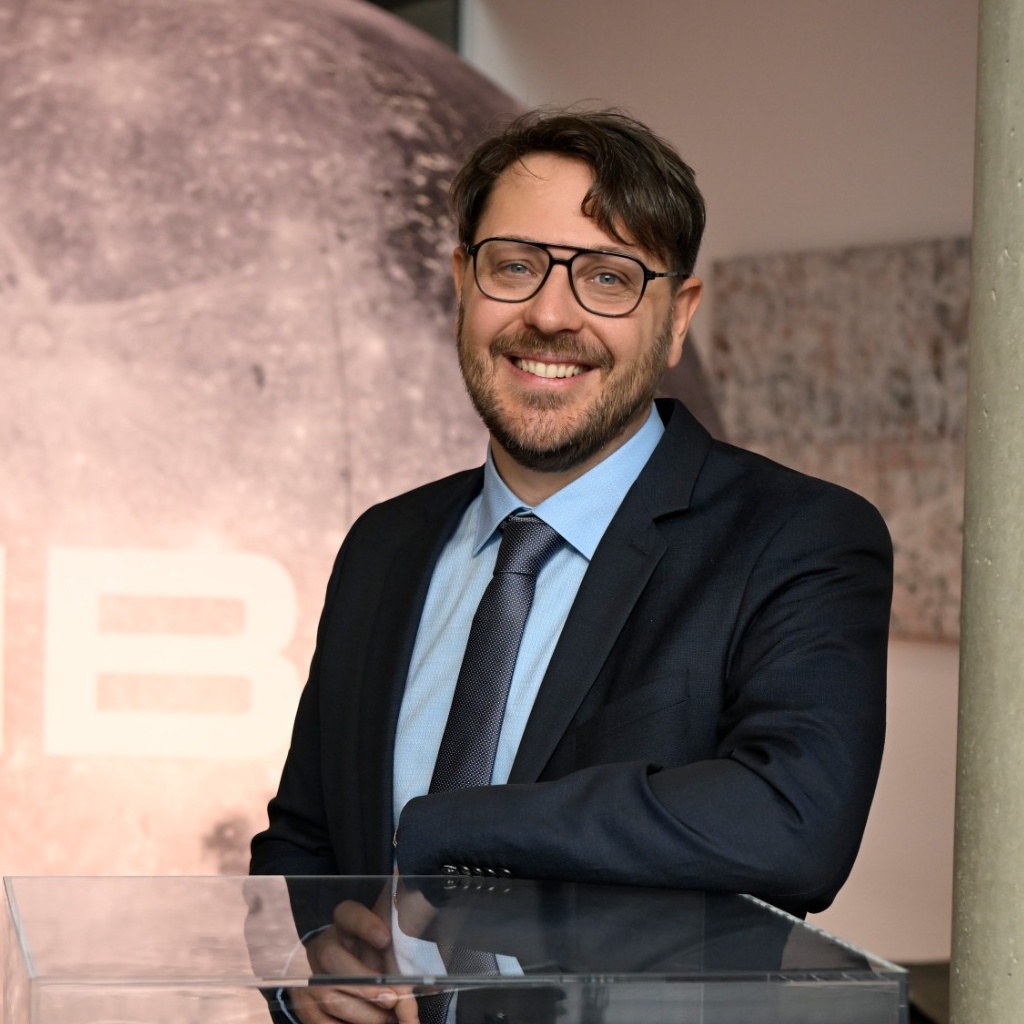
Lukas Joel
OHB System AG
Project Management
“After having been a YGT at ESA I joined OHB in 2018. Since then I developed different payloads for all kinds of space stations.”
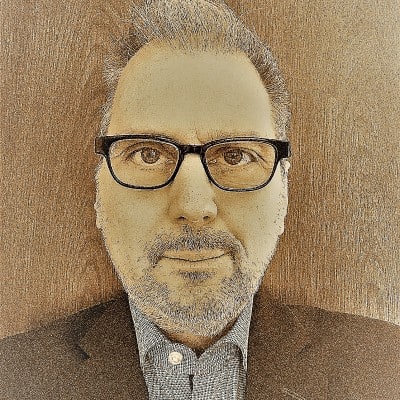
Fabian Eilingsfeld
IABG
Cost & Risk
“My fascination with human spaceflight began at age five, watching Apollo 8 orbit the Moon on Christmas Eve 1968 – a moment that sparked a lifelong passion for space exploration. Today, I channel that passion into guiding cost and risk decisions that help transform visionary space missions into sustainable realities for future generations.”
Nicolaus Millin
PRICE Systems
Cost & Risk
“Sky is not our limit – Space is our future home.”

Jürgen Letschnik
AIRBUS DS GmbH
Communications, Project Management
Since 2020, Head of a cross-functional unit at Airbus, responsible for integrating processes, systems, and business requirements. Leads strategic programs to drive company-wide initiatives and ensures effective collaboration across departments. Holds a PhD from Technical University of Munich (2008) and brings 10 years of experience at German Space Operations Center.
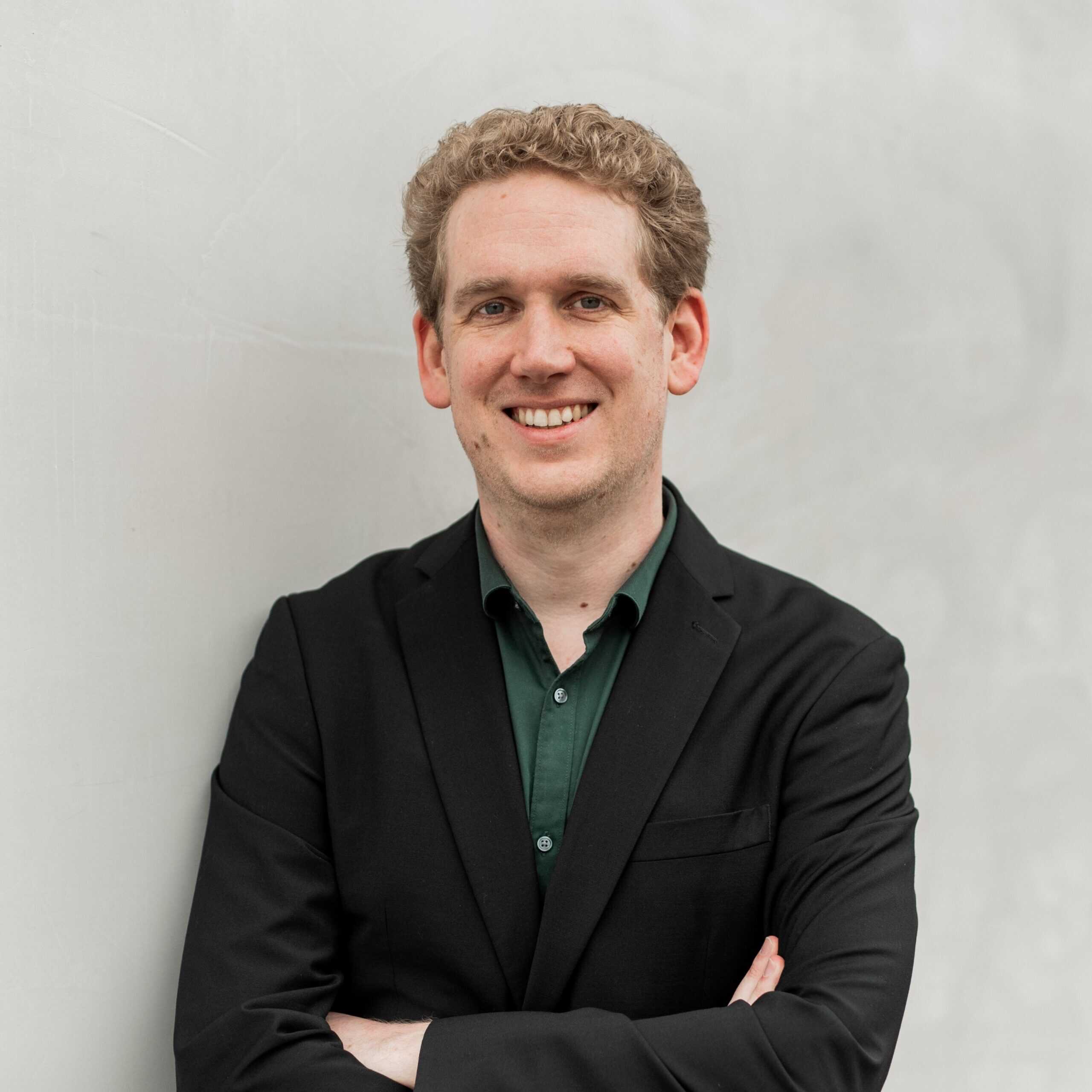
Marius Schwinning
ESA
Mission Analysis (lunar surface)
“I have participated (2015) and organized (2016-2019) the SSDW and ever since support the workshop in mission analysis and systems engineering topics as expert. It’s always enthralling to see the dynamics of the workshop and the solution of the teams to the challenging statement of work.”
Barbara Imhof
Liquifer
Architecture
“Designing for life in space, particularly in microgravity, is one of the most fascinating challenges. We must completely rethink how we design interior environments to enable living in a fully three-dimensional space where the human body is constantly in motion. This has profund implications for architecture – where beds and chairs are no longer necessary, and where there is no clear sense of up or down.”
Claas Olthoff
Uni Stuttgart
Life Support Systems
“When I was 5 years old I was lucky enough to visit the Kennedy Space Center in Florida with my dad. From that moment on I knew I wanted to be involved in human spaceflight. Working with like-minded, driven and enthusiastic people on keeping humans alive in space is the best job on Earth (and in space)!”
Gisela Detrell
TU Munich
Life Support Systems
“I am eager to contribute to make human spaceflight exploration possible, because space exploration allows us to understand the world we live in and to go beyond what seems possible.”
Lina Salman
TU Munich
Life Support Systems
“Exploring is part of our nature, we are drawn to the unknown, to expand, to understand and to improve the lives we are living. Space is the next step for human exploration. Keeping astronauts alive when travelling to space and other celestial bodies is what I hope to contribute to.”

Matthias Pfeiffer
Airbus Defence and Space GmbH
Thermal Control System
“As a Lead Thermal Engineer and Technical Authority, I develop mission-critical thermal control solutions for high-profile programs, including the European Service Module for the successfully returned Artemis 2 mission. My expertise spans the full spacecraft lifecycle, focusing on the design of advanced passive and active hardware to solve the most complex interdisciplinary challenges in extreme environments. I combine this technical mastery with strategic leadership to mentor engineering teams and deliver the thermal performance essential for the future of lunar exploration.”

Tharshan Maheswaran
Uni Stuttgart
ISRU
“Curiosity and ambitions have led mankind to create many Earth monuments. Now, we are entering an era focused on sustainable space exploration and colonization of celestial bodies. My fascination for space exploration stems from developing technologies that create a foundation for becoming a multiplanetary species.”
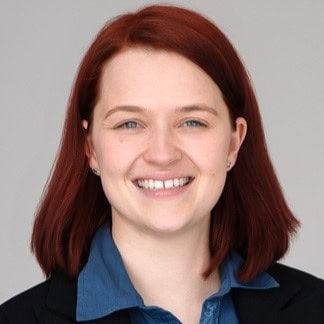
Judith Reindl
UdBw Munich
Radiation
” As a radiation expert, I am driven by a deep fascination with how space environments challenge our understanding of particle interactions and biological resilience. The Space Station Design Workshop offers a unique opportunity to apply this knowledge in a collaborative, interdisciplinary setting to help future experts to shape safer and more innovative solutions for human space exploration.”

Francisco Guerrero Gonzalez
Maana Electric/TU Munich
ISRU
“I am a researcher at the Luxembourg-based company Maana Electric, focusing on the development and testing of novel ISRU processes, particularly for the extraction of oxygen and metals from planetary regolith, covering the value chain from regolith preprocessing to resource extraction. Simultaneously, I am conducting my doctoral thesis at the Technical University of Munich in the field of off-Earth molten salt electrolysis.”
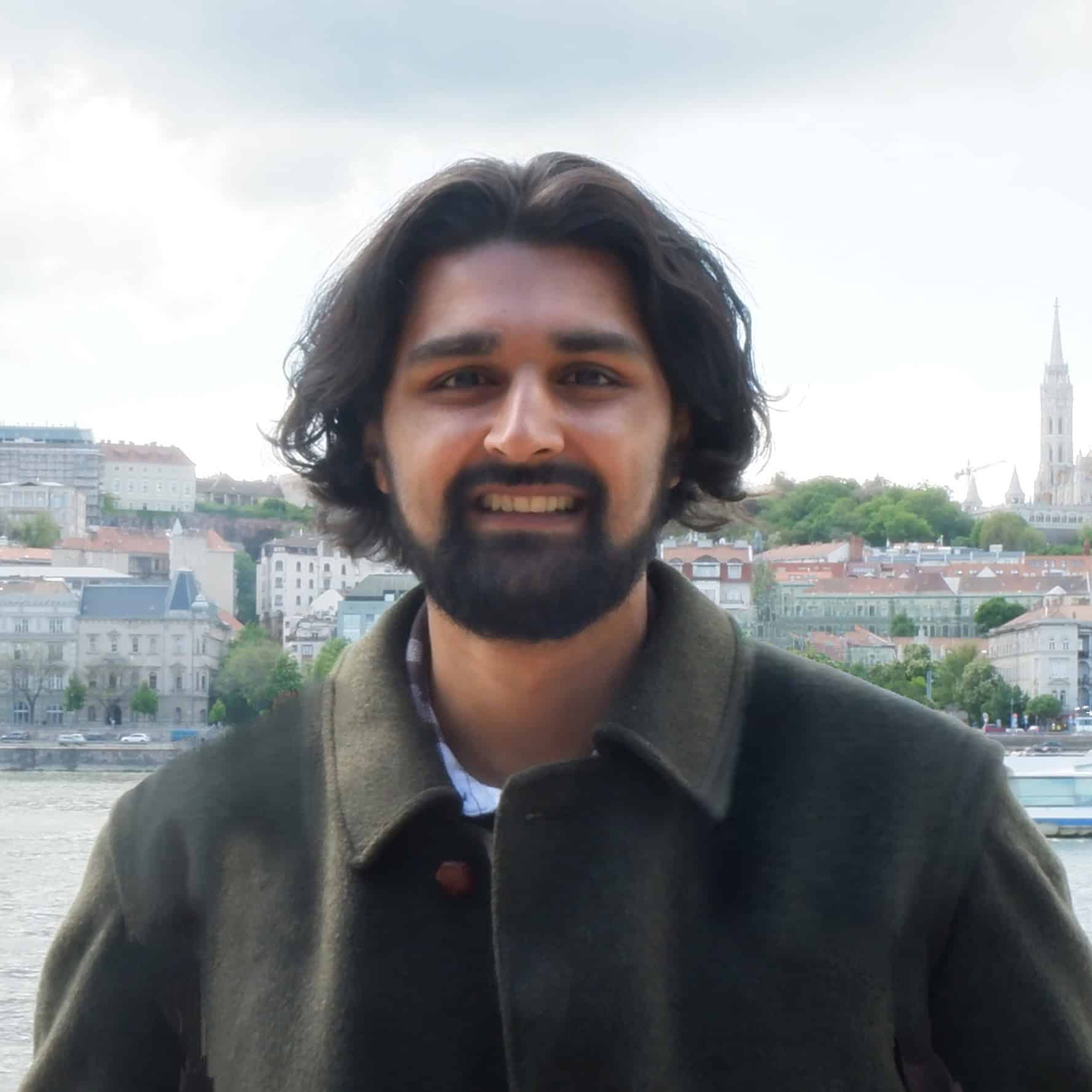
Darren Berlein
CS Sopra Steria
Human Factors
“As an architect, I’m driven by the challenge of designing for extreme environments, where every spatial decision carries real human consequence. Space station environments dictate how astronauts interact and carry out their operations and my motivation lies in creating habitats that support not just survival but comfort, usability and psychological performance in orbit.”
Laura Grill
TU Munich
ISRU
“The interdisciplinarity of space-related science and technology development fascinates me. People coming together from different backgrounds with different levels of expertise to work on the same task makes me look forward to the SSDW.”
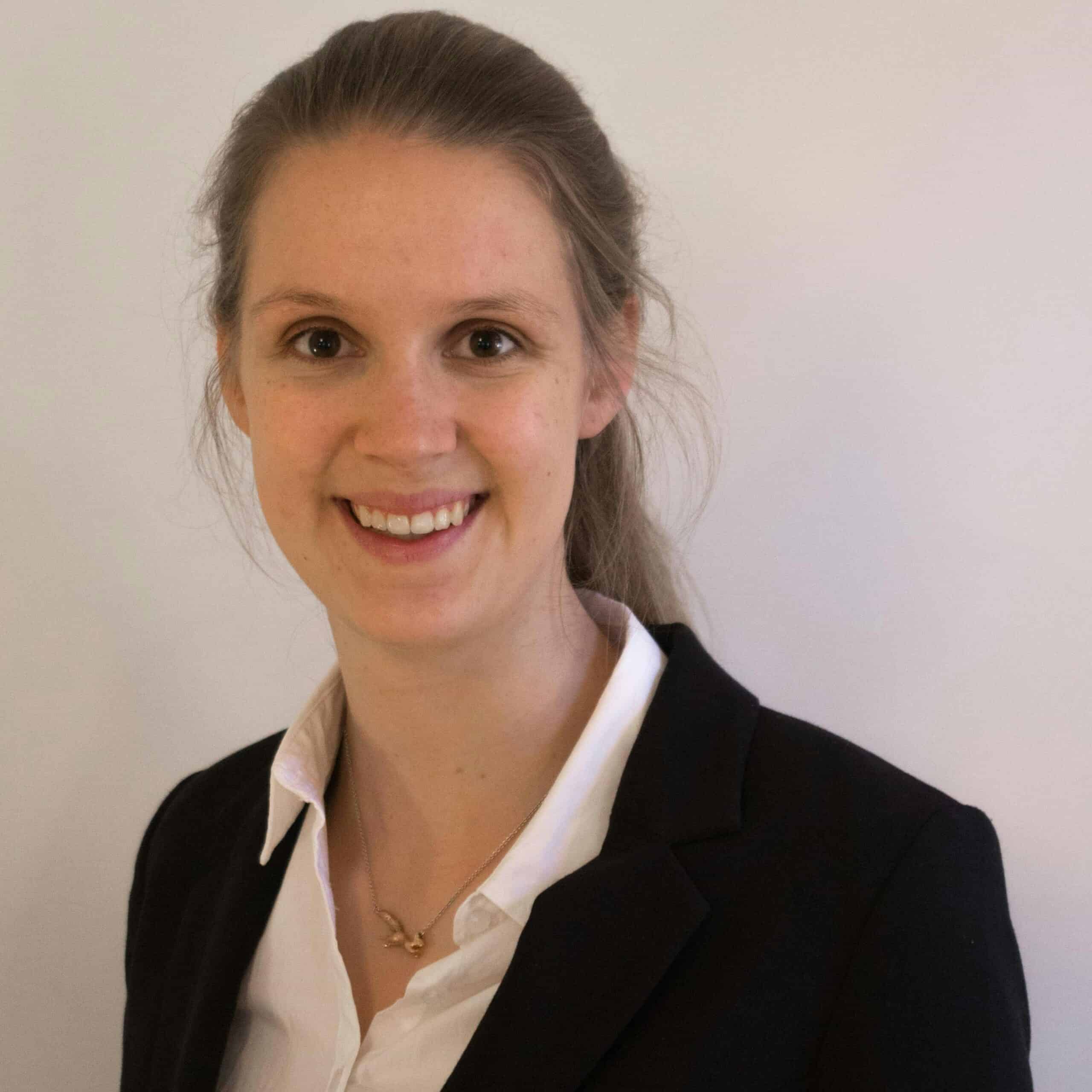
Sarah Bartha
Airbus
EPS
“Having been fascinated by the stars since I was a kid, I love working in the space industry because it’s where groundbreaking technology meets the vast unknown, constantly challenging us to innovate and build a better future.”
Marcin Gnat
DLR
Communications
“I’m electrical engineer and space enthusiast. I like to create new things and concepts and also to teach young people to continue that work and do the same. I strongly believe working on very versatile and international space projects brings people closer together and further in development.”
Pierre Lagadrilliere
DLR
Communications
“For as long as I can remember, I have been fascinated at what I can observe in the sky. Planes, satellites, stars, planets … Today, I am more than happy to join SSDW so that I can share my passion about Space and pass on my knowledge on ground stations and satellite communication.”
Luca Kiewiet
German Aerospace Center
ISRU / Beneficiation
Luca Kiewiet is a Space Resources Utilisation Researcher at the DLR Institute of Space Systems, with a particular focus on how to extract and capture water from lunar icy regolith, found in the Permanently Shaded Regions on the poles of the Moon. He has experience in developing and performing experiments involving dedicated hardware to increase the Technology Readiness Level.
Robin Nitschke
Technische Universität Berlin
ISRU
Robin is a PhD candidate at TU Berlin working in the field of In-Situ Resource Utilization (ISRU), with expertise in regolith handling, lunar soil simulants, and high-temperature ISRU processes. He has over three years of experience working with regolith simulants and ISRU-related processing technologies, complemented by practical materials science experience from four years in the metallography lab at Fraunhofer IGP. He holds a Master’s in Space Engineering and also lectures on Technical Aspects of Human Spaceflight.
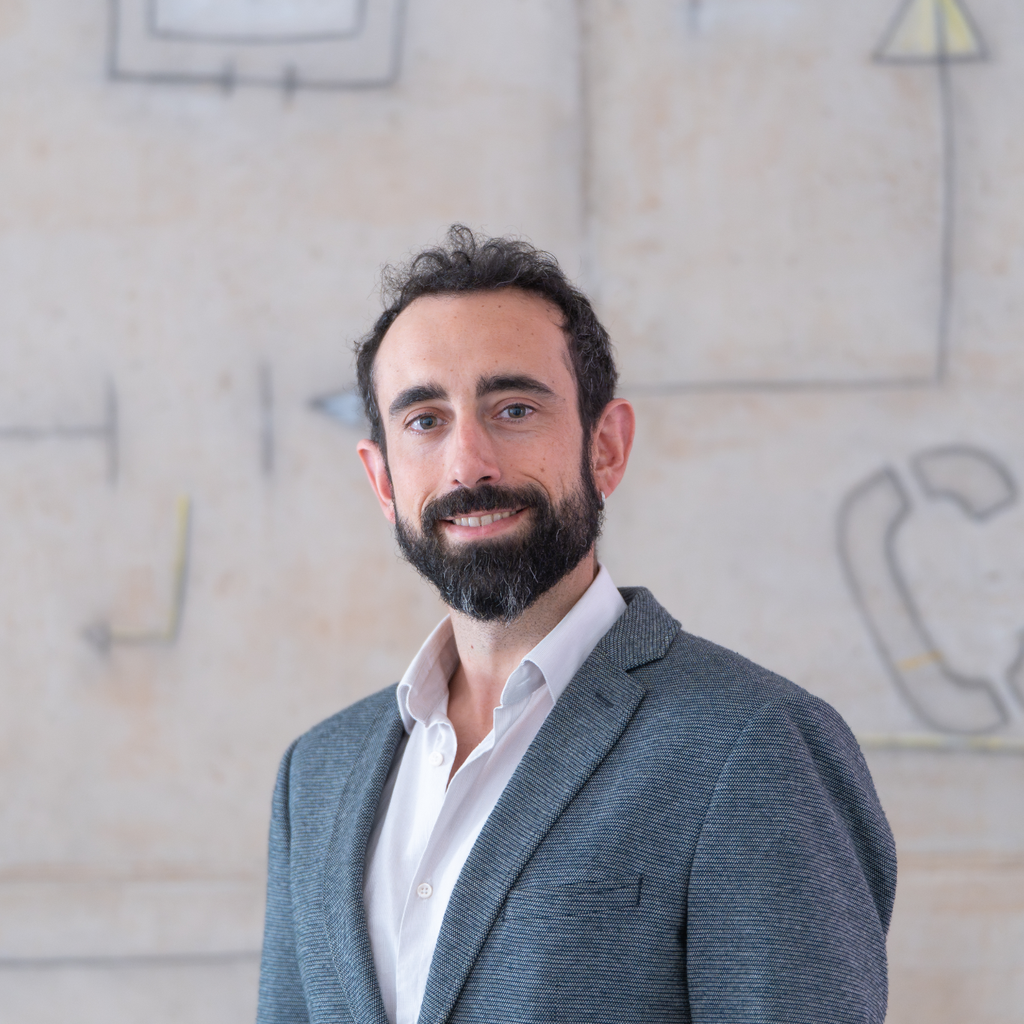
Cyprien Verseux
ZARM, University of Bremen
Space Microbiology
Prof. Dr. Cyprien Verseux is the head of the ZARM’s Laboratory of Applied Space Microbiology, which develops biology-based technologies in support of future crewed missions beyond Earth. He currently leads the ERC project MarCyano and is a PI of the Martian Mindset Cluster of Excellence (University of Bremen).

Paul Zabel
DLR
Jury / ISRU
Dr.-Ing. Paul Zabel has a PhD in aerospace engineering with a strong research focus on ISRU and Life Support Systems. He has been involved in different positions in various research and development projects over the past 10 years, among which the EU-funded project LUWEX is the latest. He is leading a research team dedicated to ISRU technology development at DLR. All combined he has extensive expertise in scientific and engineering work as well as project management.
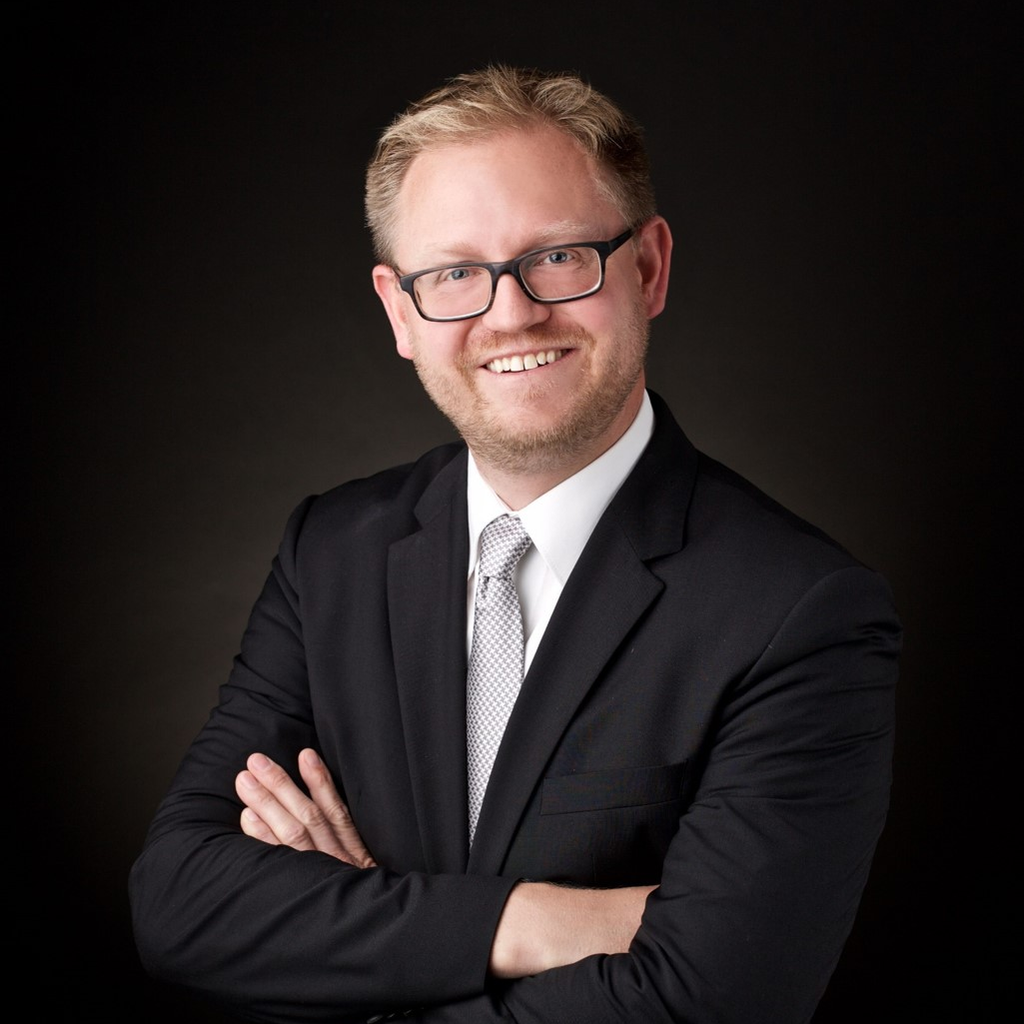
Markus Kröll
Fraunhofer IPA
Factory Design

Mehmed Yüksel
DFKI
Robotik
Experienced robotics engineer specializing in space technologies, with a focus on planetary rover systems, modular mission architectures, and mechatronic interface design. Leads the Space Robotics team at DFKI-RIC in Bremen, driving cutting-edge projects across EU and national programs, including hands-on leadership and coordination. Skilled in systems engineering and developing innovative solutions for harsh extraterrestrial environments, with a focus on autonomous and resilient robotic systems for exploration and future space infrastructure.
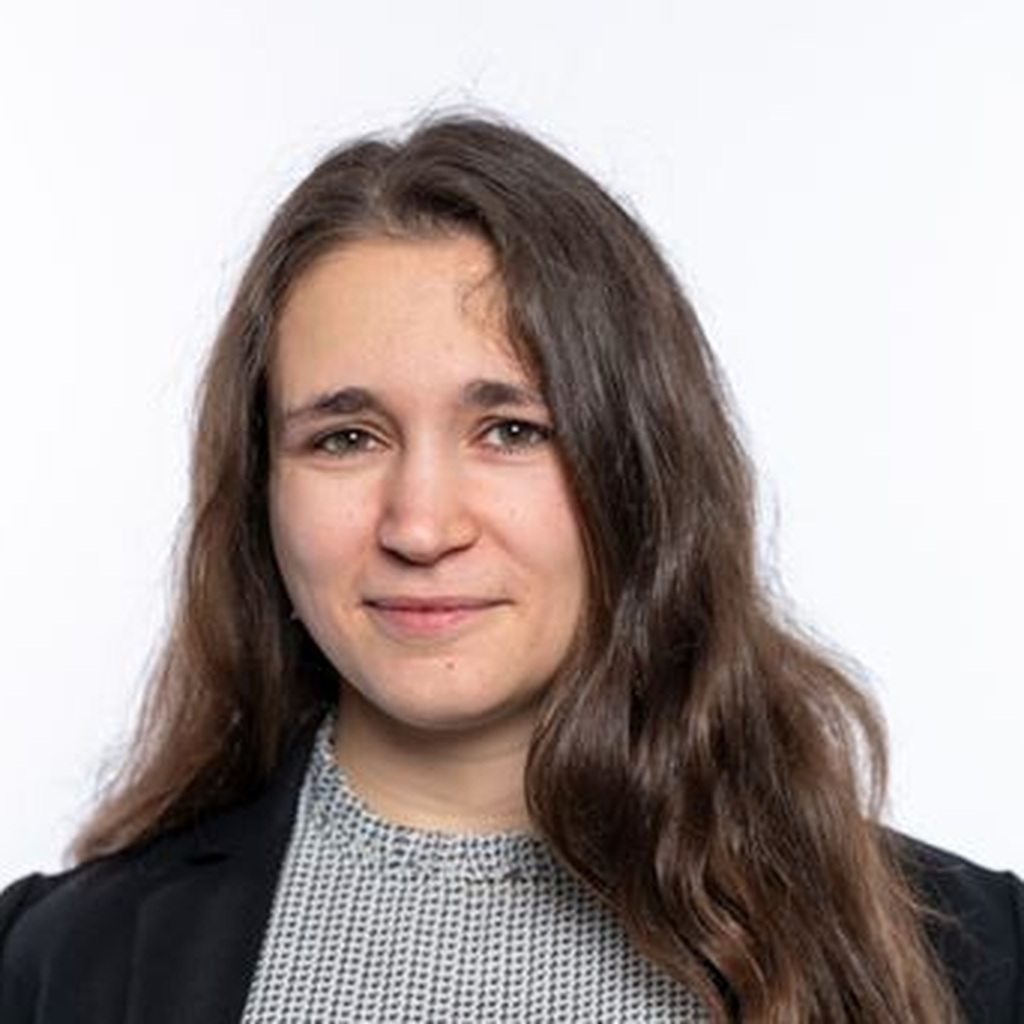
Anja Lauer
University of Stuttgart
Robotisches Bauen
Jun.-Prof. Dr.-Ing. Anja P. R. Lauer received her B.Sc. (2017) and M.Sc. (2019) degrees in Engineering Cybernetics from the University of Stuttgart and her M.Eng. (2019) degree in Mechanical Engineering from the Toyohashi University of Technology in Japan. In 2023, she earned her doctorate from the Institute for System Dynamics at the University of Stuttgart about the Automated On-Site Assembly of Timber Components using two Large-Scale Manipulators. In 2024, she became a Tenure-Track Professor and founded the department Construction Robotics at the Institute of Construction Materials at the University of Stuttgart.

Natascha Bonidis
University of Stuttgart
EVA
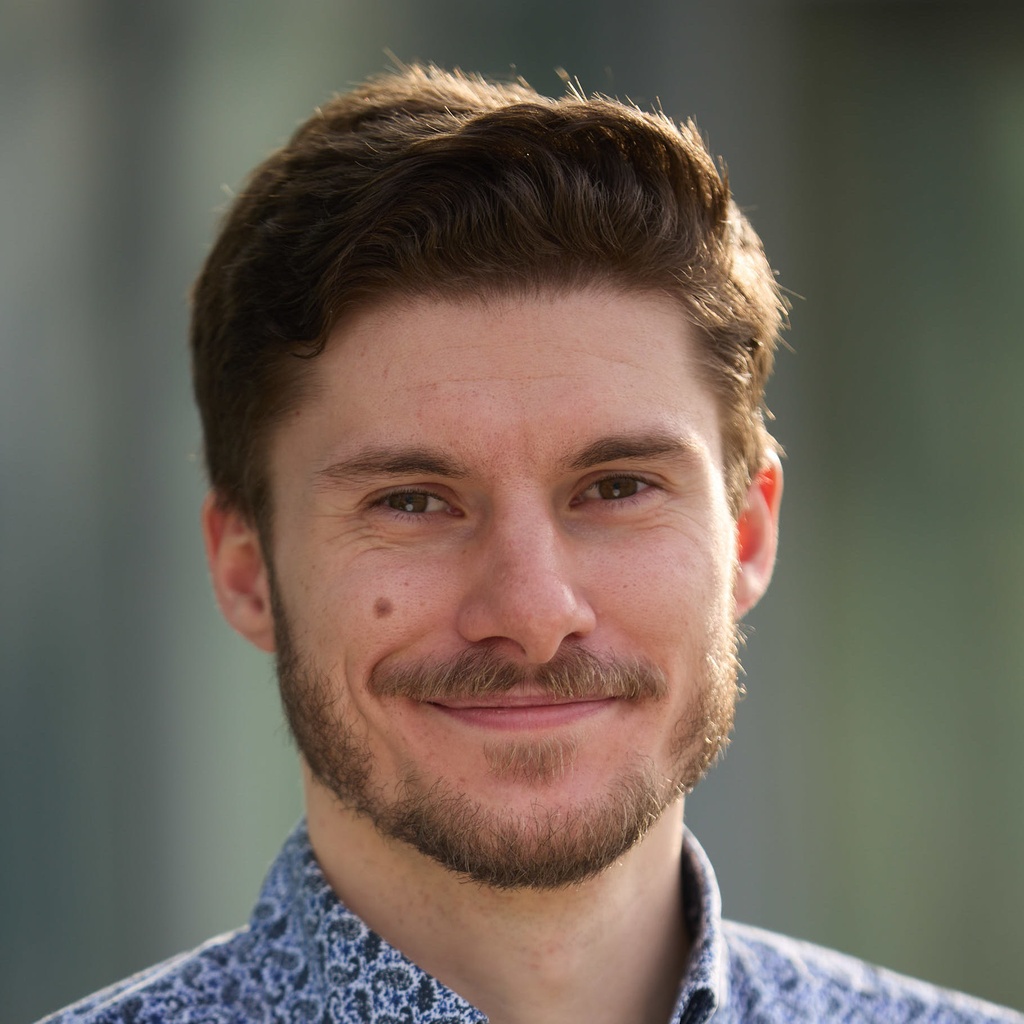
Julius Mercz
Technische Universität München
Nuclear Power
“Nuclear fission reactors offer reliable and continuous power supply in challenging environments with limited solar irradiation. The 14-day lunar night is a great opportunity to utilise this technology, investigating symbioses to high-temperature applications like ISRU and helping humanity to advance into the solar system.”
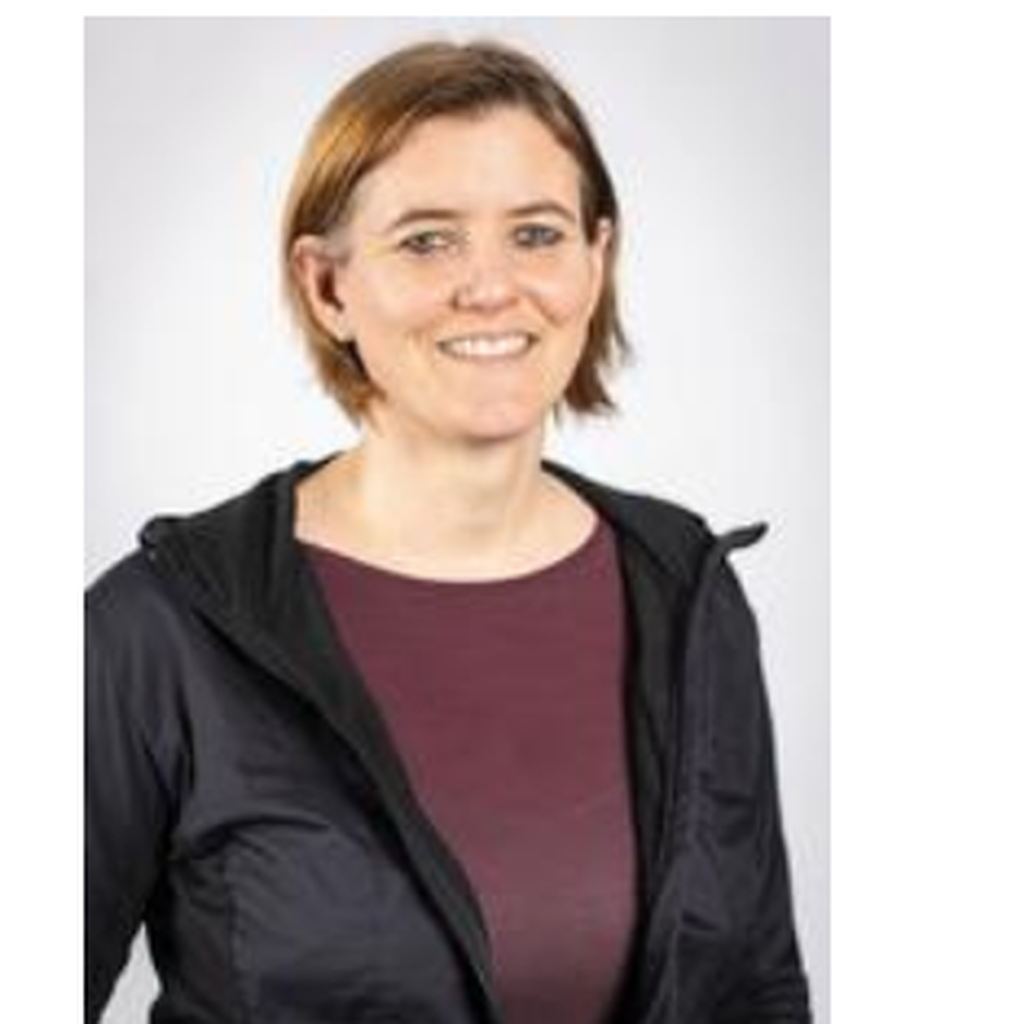
Wiebke Brinkmann
DFKI
Robotik
Wiebke Brinkmann studied Aeronautical and Astronautical Technologies at the University of Applied Sciences Aachen (Germany) and received her diploma with honors in 2003. As Lead Engineer for Space & Robotics Research at DFKI and project coordinator for various collaborative space robotics projects, she is responsible for developing robotic technologies for orbital and planetary applications. In addition, she is a member of Women in Aerospace.
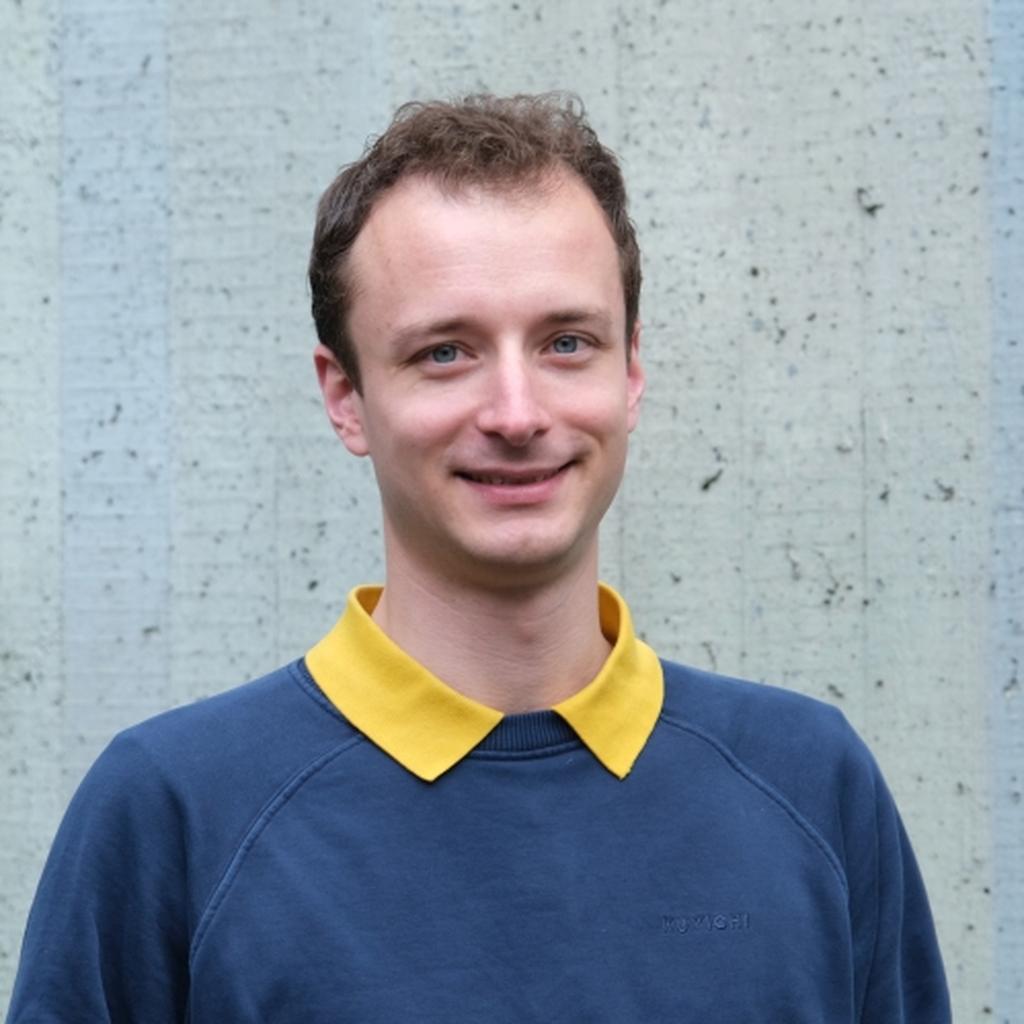
Andreas Pahler
Institute for Photovoltaics, University of Stuttgart
EPS (solar cells)
Andreas Pahler is postdoctoral researcher at the Institute for Photovoltaics, University of Stuttgart. With a background in Aerospace engineering, he conducted his doctoral studies at the Institute of Space Systems, University of Stuttgart, on electronics for scientific ballooning missions to the stratosphere. He brings broad experience in the fields of power systems, satellite communication, and electronics in general.
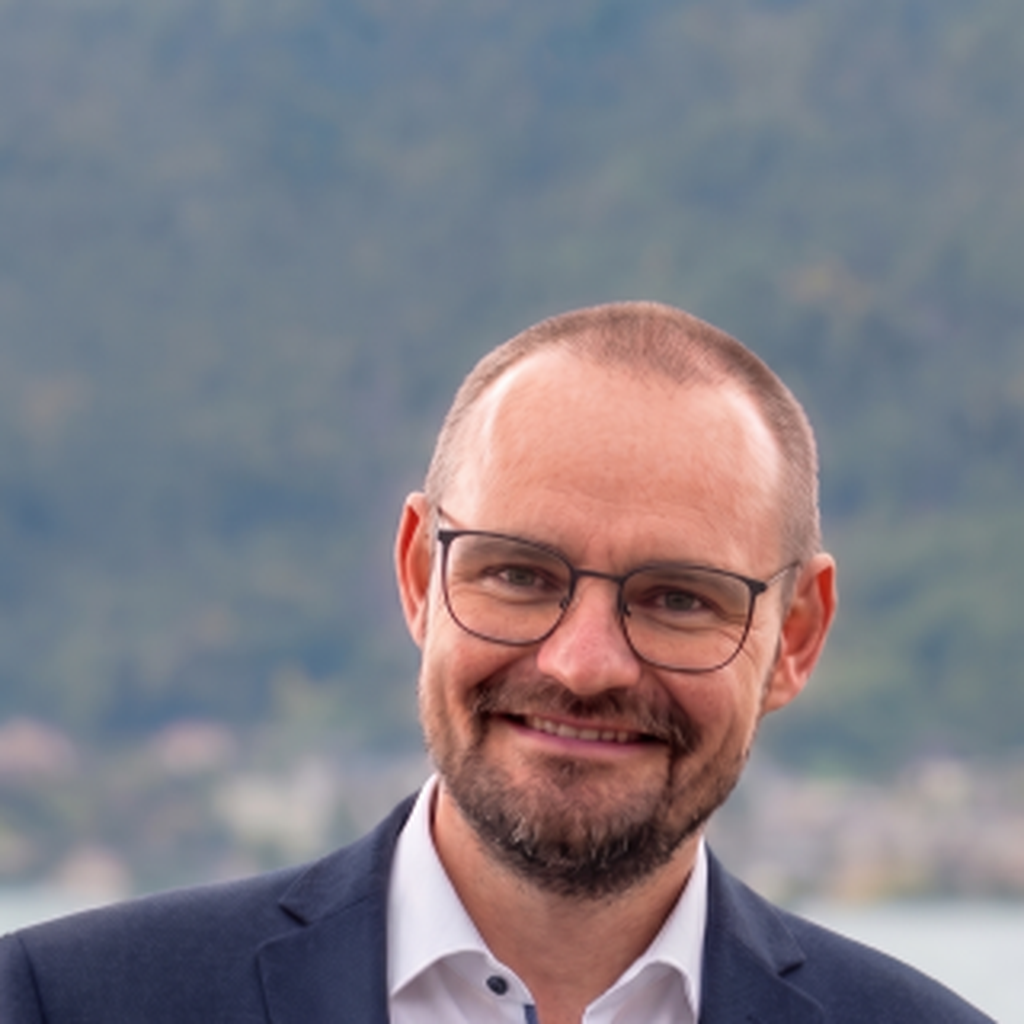
Fabian Fremdling
Airbus Defence and Space GmbH
Wasseraufbereitung Elektrolyse
At Airbus in Friedrichshafen as Chief Engineer for Life Support and Payloads. PhD within the development of regenerative fuel cell systems for space applications. Experience in hydrogen and oxygen systems, air revitalization and payloads for human spaceflight.
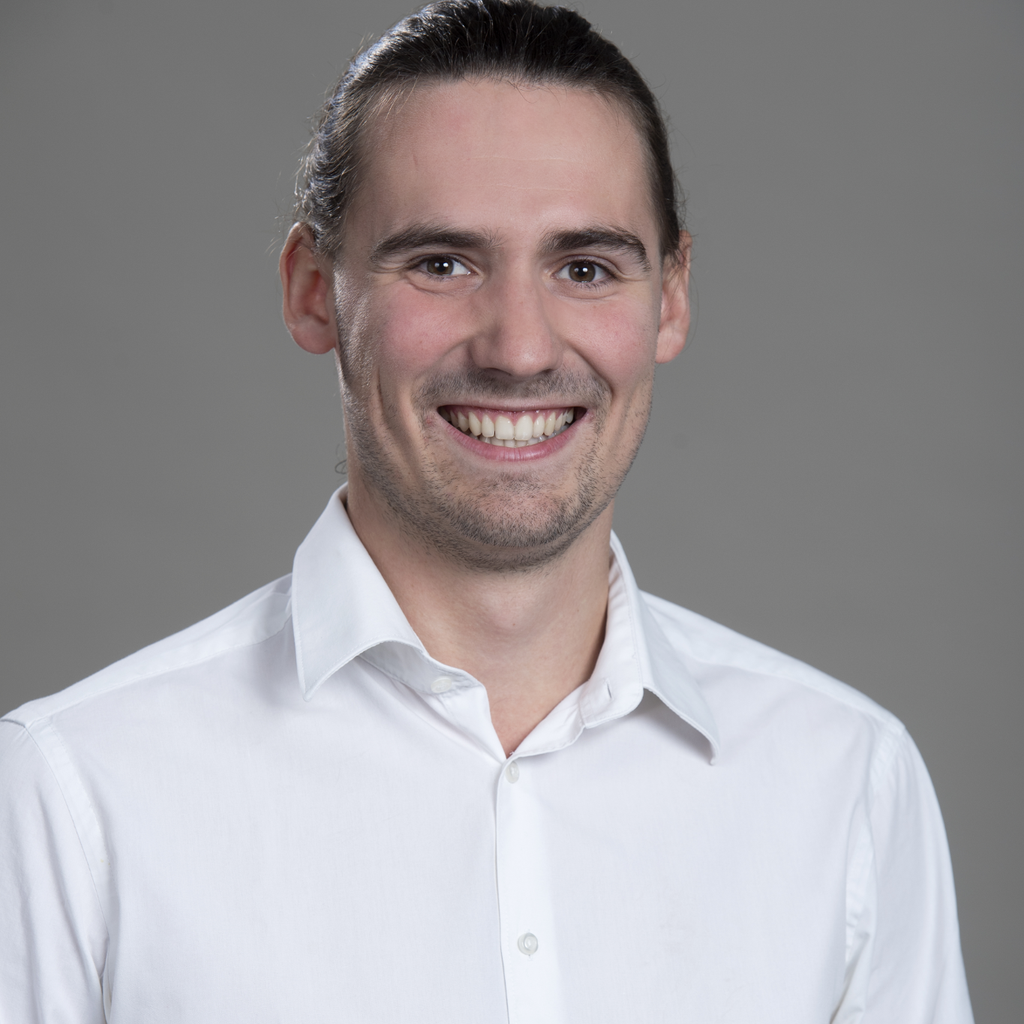
David Frey
IMENSUS GmbH
ISRU / Prospecting
“I am an Aerospace Engineer at IMENSUS GmbH, a geophysics startup developing autonomous subsurface exploration technology for terrestrial applications that will also be essential for future lunar infrastructure missions. I believe that understanding the underground is a vital, yet often overlooked, step in modern space planning.”
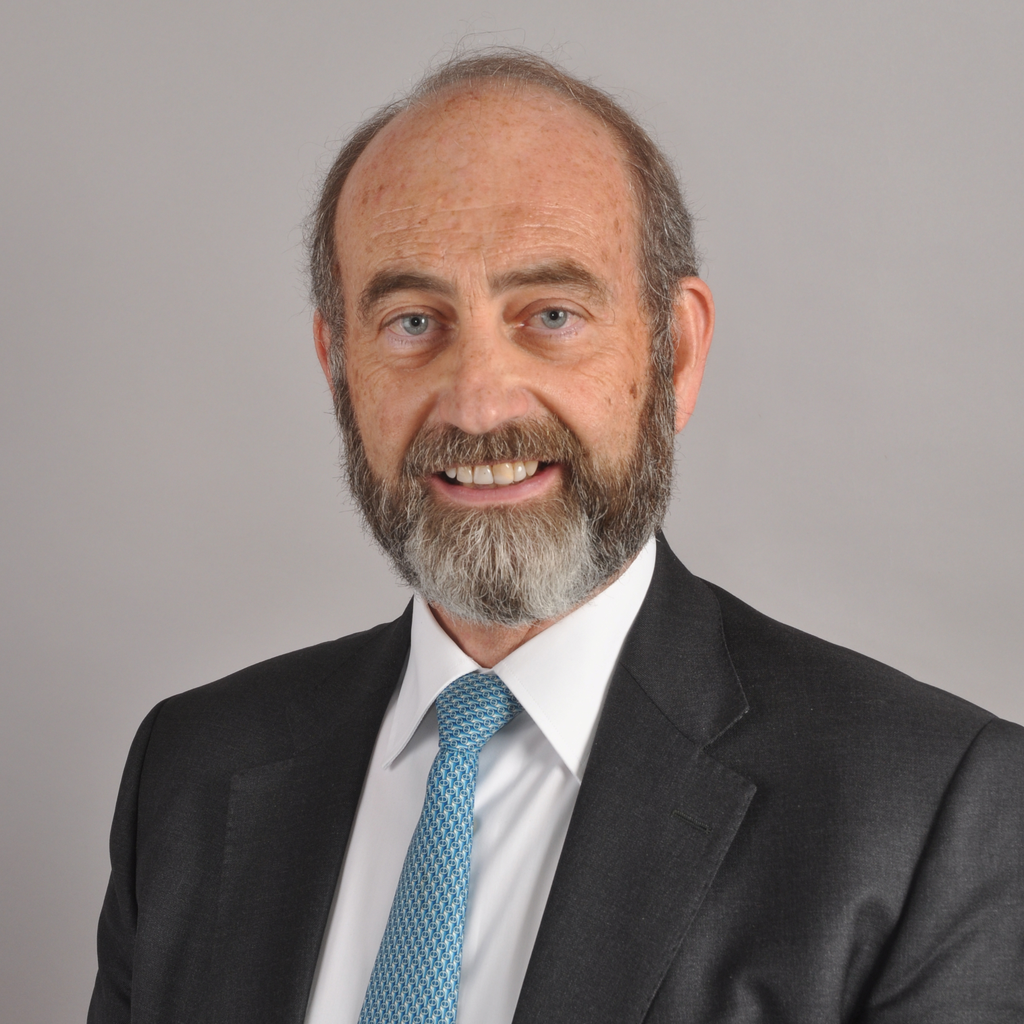
Rafael Harillo
STARDUST Consulting
Space Law
“Space activities are hard, but developing the activity in the space ecosystem is hardest. To have the opportunity to collaborate with multidisciplinary teams for develop space activities is amazing and to share my field of expertise, closer to the real activity, is amazing. “
Philipp Hartlieb
Montanuniversitaet Leoben
ISRU / Mining
“Philipp is Mining Engineer with his research focussing mainly on rock fragmentation, and aspects of digitalisation in mining. These both also bridge the gap to ISRU where the processes need to be re-thought to be suited for operation in remote conditions.”

David Matias Boveda
Airbus Defence and Space
Structures/Shielding Protection
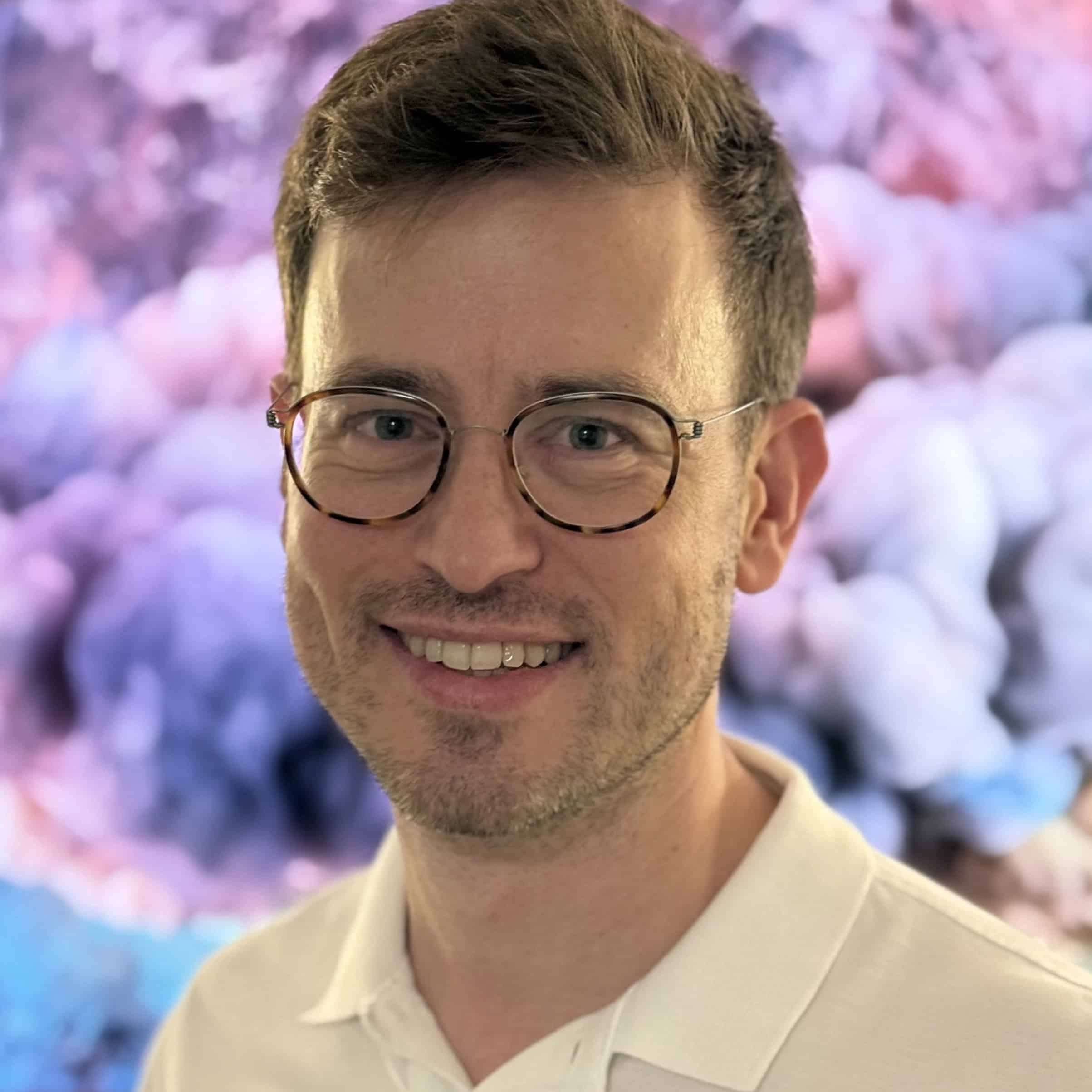
Michael Labidi
Airbus
System Engineering
“When I was 8 years old I wanted to be an Astronaut. I had the pleasure to study Aerospace Technology at the University of Stuttgart and since then I worked for Airbus nearly all the time in Human Space Flight Operations. I want to share my passion and knowledge for Space Stations to support the next generation on their path into this fascinating world.”
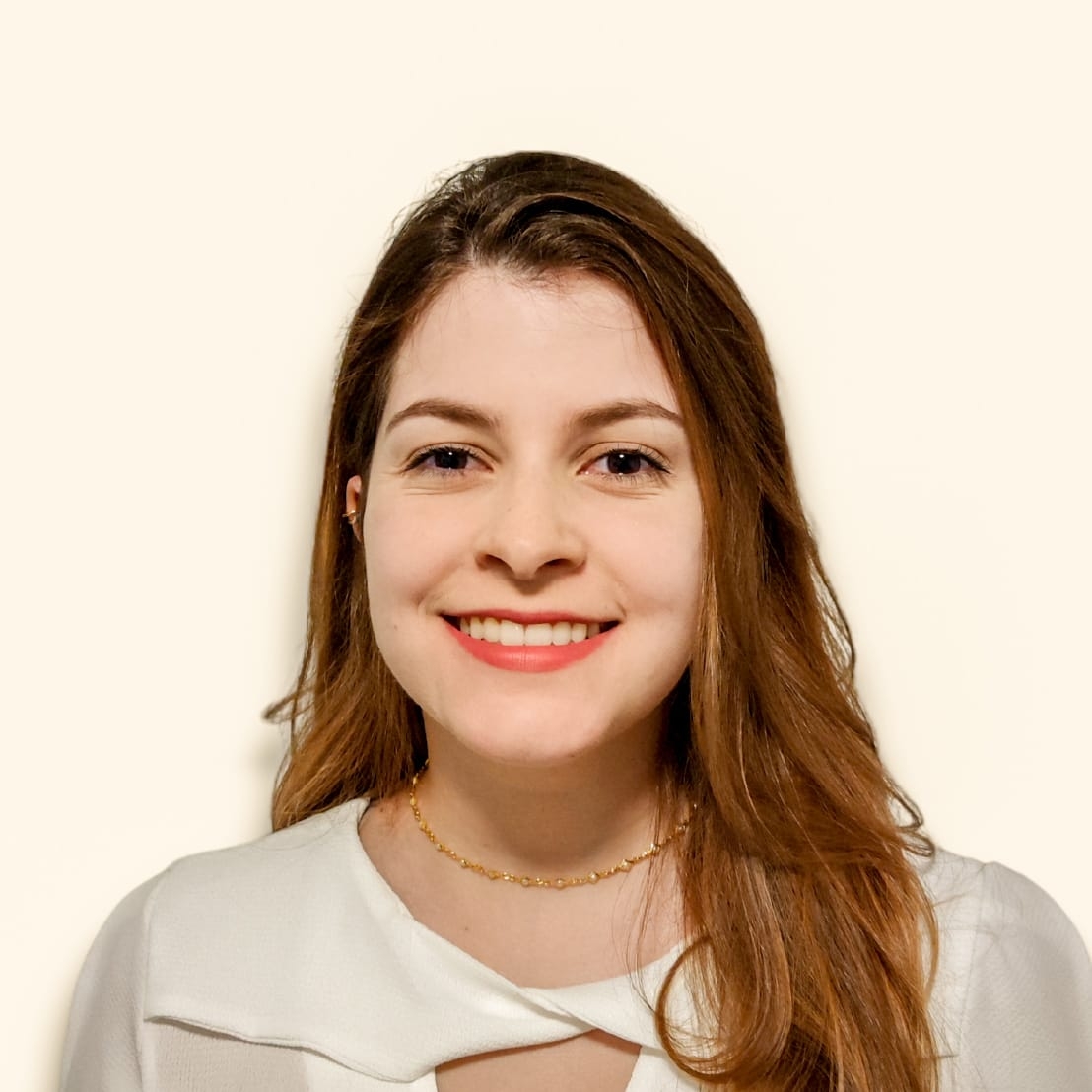
Lillian Rodrigues
Synera GmbH
Solution Engineering

Ahmad Doudin
Synera GmbH
Solution / Training Engineering
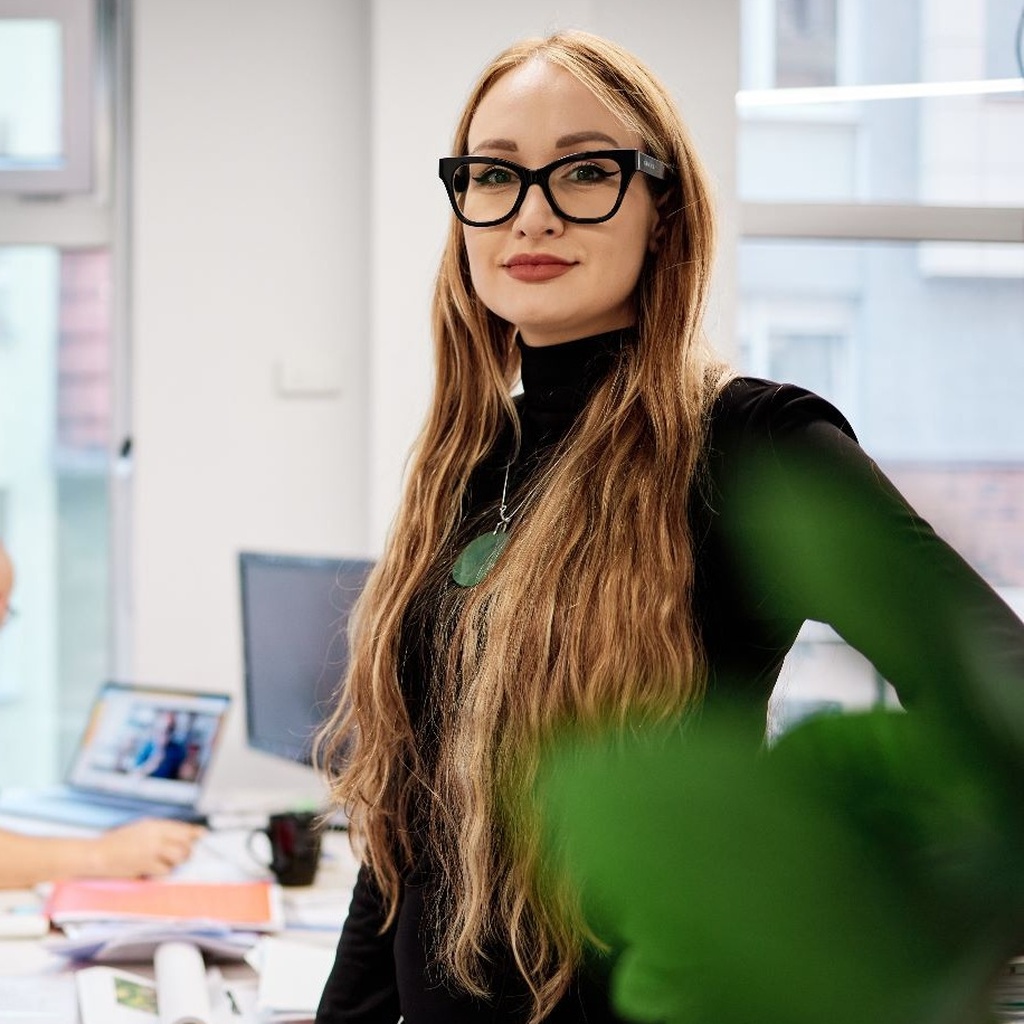
Jovana Stojkovic
AD ASTRA
Architecture
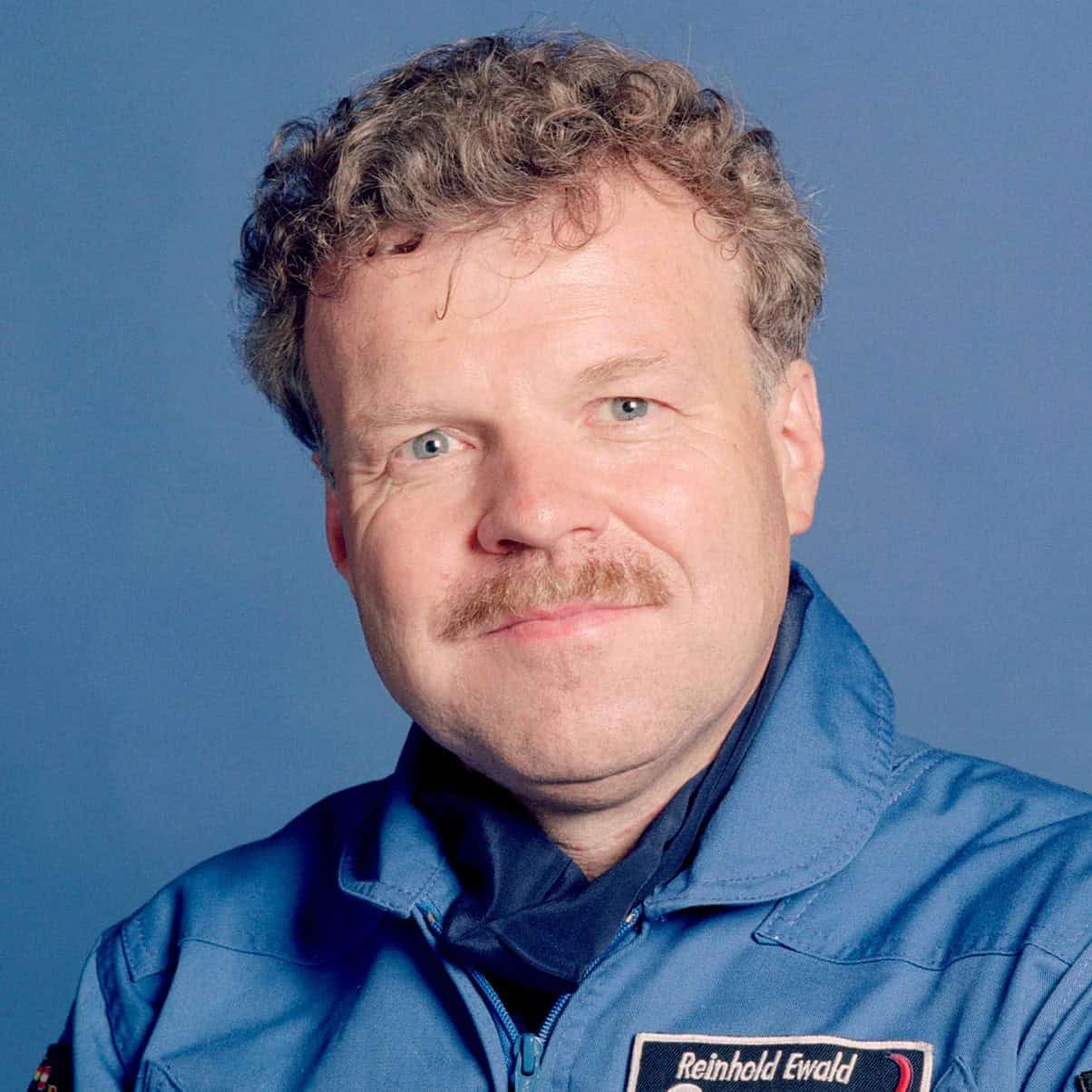
Reinhold Ewald
Uni Stuttgart / ESA
Jury
Reinhold Ewald is the 354th individual to have seen Earth from an orbital perspective. He flew in 1997 to the Russian space station MIR. Until 2018 he was as an astronaut with ESA, then continued as a professor for Astronautics at the University of Stuttgart.
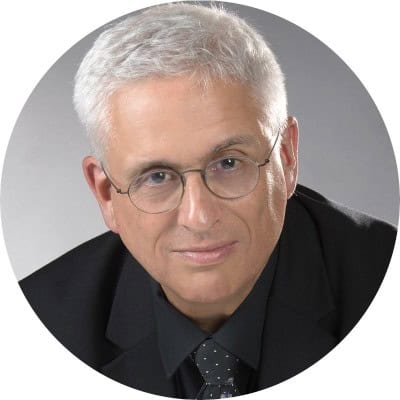
Chris Welch
Space-IST
Jury
Chris Welch is a former professor and expert in astronautics and space systems, and is the founder and principal consultant at the interdisciplinary consultancy, space-ist. He is a member of the International Academy of Astronautics and has served as an SSDW jury member since 2022.