
Space Station Design Workshop
SSDW 2026 Organization Team
"The key to success in any organization is identifying, developing, and empowering the right people."
- Craig Groeschel
Introducing the SSDW 2026’s organizers and helpers:
Prof. Dr.-Ing. Claas Olthoff
SSDW ORGANIZER – Co-Chair
Professor of Human Spaceflight and Exploration at the Insitute of Space Systems at the University of Stuttgart.
“When I was 5 years old I was lucky enough to visit the Kennedy Space Center in Florida with my dad. From that moment on I knew I wanted to be involved in human spaceflight. Working with like-minded, driven and enthusiastic people on keeping humans alive in space is the best job on Earth (and in space)!“
Prof. Dr.-Ing. Gisela Detrell
SSDW ORGANIZER – Co-Chair
Professor for Human Spaceflight Technology at the Technical University of Munich
“I am eager to contribute to make human spaceflight exploration possible, because space exploration allows us to understand the world we live in and to go beyond what seems possible.”
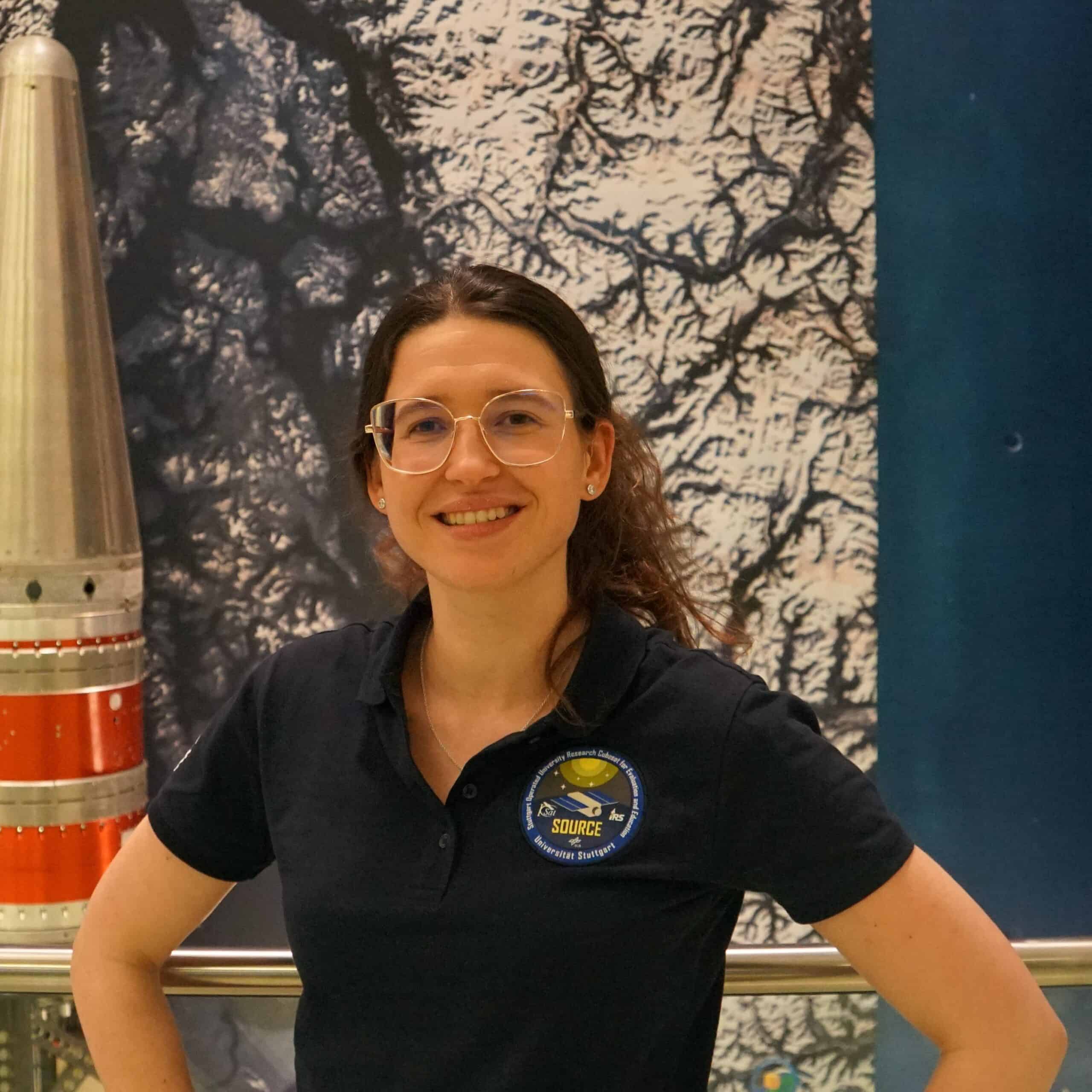
M.Sc. Natascha Bonidis
SSDW ORGANIZER – Co-Chair
Research Assistant and Ph.D. Student at the Institute of Space Systems at the University of Stuttgart. Active Member of KSat e.V., Project Supervisor of KSat’s SOURCE CubeSat
“Developing technologies for space applications has always been my dream. Exploring the universe – our Earth, Moon, and other planets – is my passion. By working in this field, I aim to make my dreams come true and inspire future generations to reach for the stars and beyond.”

M.Sc. Tharshan Maheswaran
SSDW ORGANIZER – Co-Chair
Research Assistant and Ph.D. Student at the Institute of Space Systems at the University of Stuttgart.
“Curiosity and ambitions have led mankind to create many Earth monuments. Now, we are entering an era focused on sustainable space exploration and colonization of celestial bodies. My fascination for space exploration stems from developing technologies that create a foundation for becoming a multiplanetary species.”

M.Sc. Lina Salman
SSDW ORGANIZER – Co-Chair
Research assistant and Ph.D. Student at the Chair of Human Spaceflight Technology at the Technical University of Munich
“Exploring is part of our nature, we are drawn to the unknown, to expand, to understand and to improve the lives we are living. Space is the next step for human exploration. Keeping astronauts alive when travelling to space and other celestial bodies is what I hope to contribute to.“
Sergio Santaeufemia Sánchez, Ph.D.
SSDW ORGANIZER – Co-Chair
Postdoctoral Researcher at the Professorship of Human Spaceflight Technology at the Technical University of Munich
“Inspired by biology and amazed by aerospace engineering, I consider human space exploration a crucial responsibility. Every system developed plays a vital role in maintaining the health of astronauts and preserving life beyond Earth. I am honored to be able to contribute to this effort, where human curiosity drives the integration of living systems with the future of space exploration.”
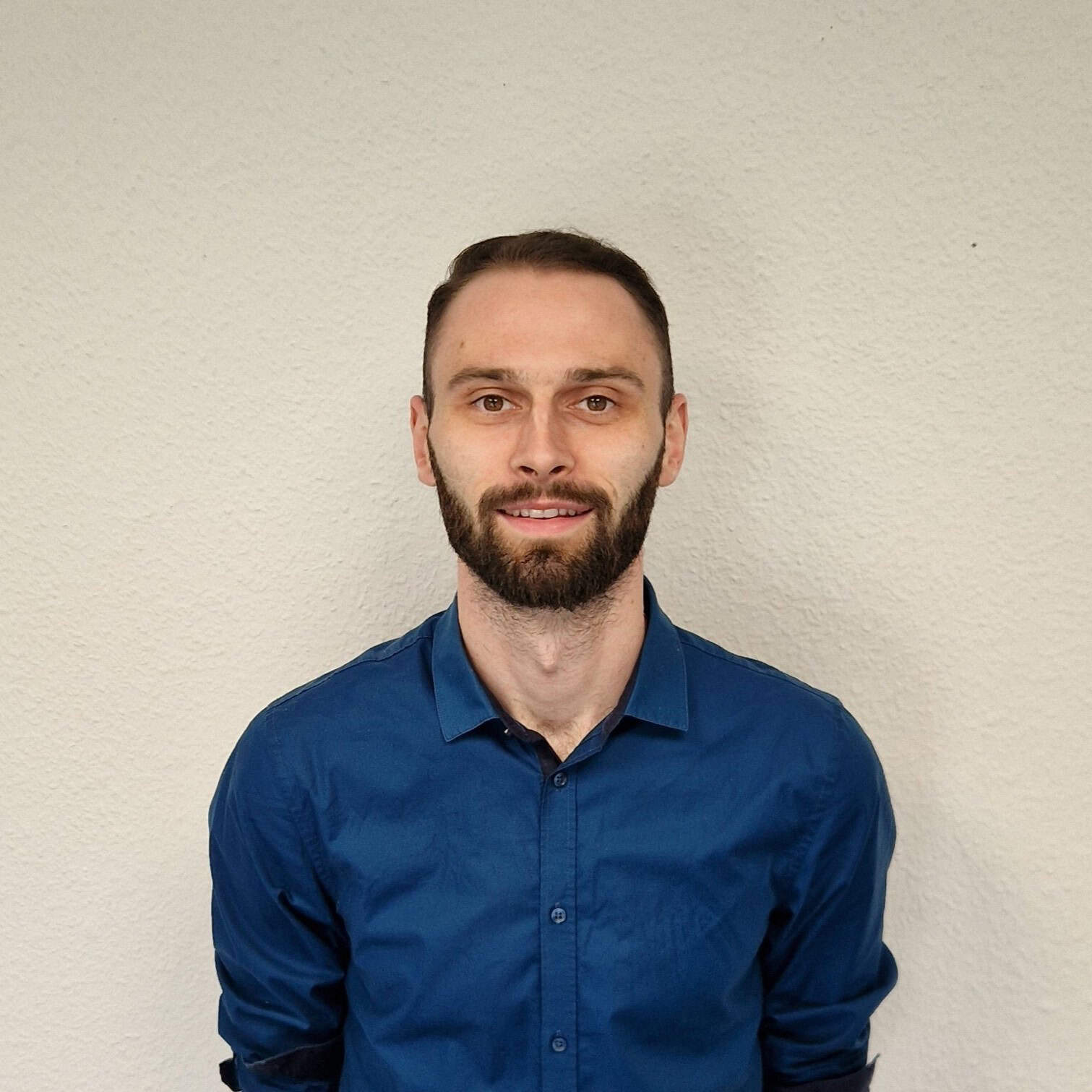
Timon Karl-Heinz Schwarz
SSDW ORGANIZER – Co-Chair
Research assistant and Ph.D. Student at the Chair of Human Spaceflight Technology at the Technical University of Munich, Operations Engineer at the German Aerospace Center (DLR)
“Space exploration is one of the defining challenges of humankind in the coming decades. Advancing life support systems is essential to enable sustainable long-duration missions and permanent human presence beyond Earth. My work aims to contribute to that ambitious and inspiring goal.”
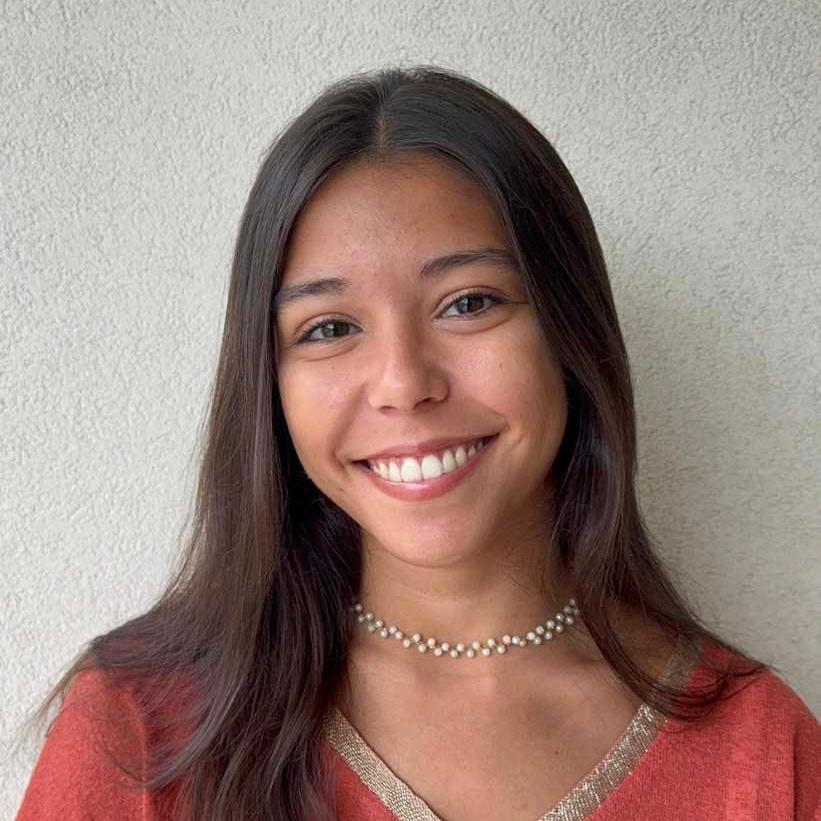
Clara Martins
SSDW Team – Social Media / PR
Aerospace Master Student at Technical University of Munich, Propulsion at WARR Rocketry
“To be able to contribute to space exploration in any way is a dream of mine. There is so much to discover, so much to learn, and human spaceflight is an essential path towards getting existing questions answered.
The sky is fortunately not the limit, and this curiosity to understand what is beyond it drives me.”
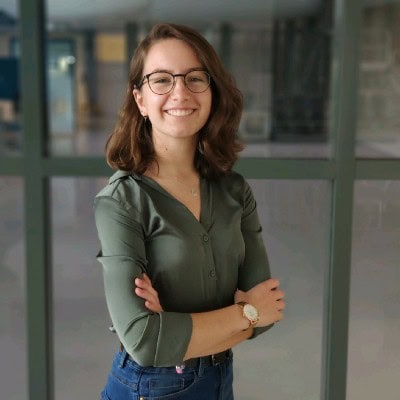
Luisa Metten
SSDW Team – Merchandise
Aerospace Bachelor student at the Technical University of Munich
“Working in space always means working with like-minded people that share the same fascination and wonder for what is out there. The excitement to solve complex problems and discover new perspectives is what has led me into this field.“
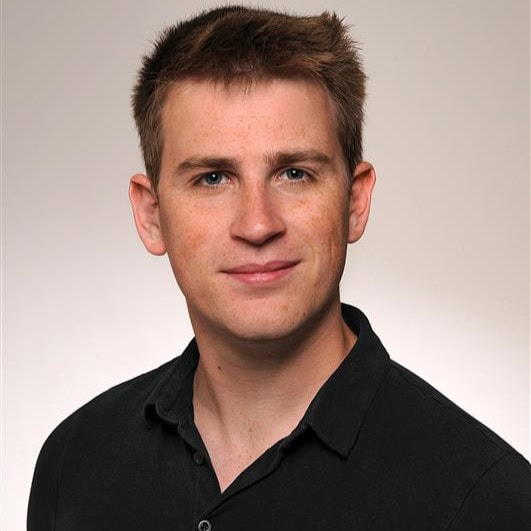
Nils Fabian Dittschar
SSDW Team - Work Package & Recipe Manager
Aerospace Engineering Bachelor Student in Stuttgart, Student at the Institute of Space Systems & Member of KSat e.V.
“What fascinates me about spaceflight is not just the extreme engineering it demands, but the way it brings humanity together at a shared frontier. I’m driven by the idea of making space more accessible and thus opening the door to discoveries and possibilities that go far beyond our world.“

Luís Carvalho
SSDW Team - Expert / Participants Communication
Aerospace Master Student at Tecnhical University of Munich
“What fascinates me about space engineering is the systems engineering approach behind every successful mission. I enjoy bringing together different disciplines to transform ambitious ideas into reliable space systems.”

Patrick Seidelmann
SSDW Team - Synera/Dalus Support
Aerospace Master Student at University of Stuttgart
“Since watching Star Trek as a child, I have been fascinated by space. A visit to the Kennedy Space Center ultimately solidified my ambition, and since then, contributing to space exploration and the expansion of humanity beyond Earth has become a central motivation in my academic journey.”
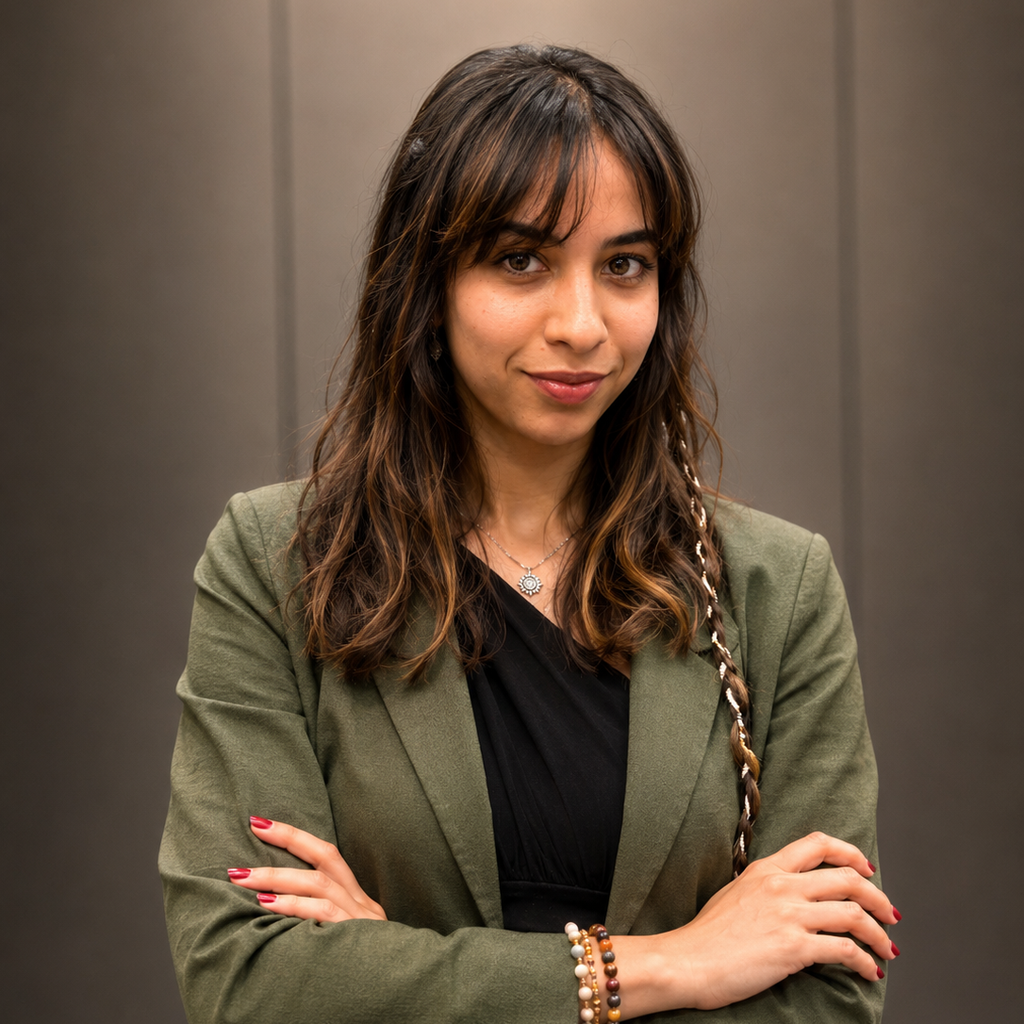
Meriam Boussaaida
SSDW Team - Logistics Support
Aerospace Student at Technical University of Munich
“Since childhood, I have had a deep admiration for the night sky. What others viewed merely as distant celestial bodies were, to me, opportunities to discover new worlds, future societies, and the challenges that must be overcome to reach them. There has always been something within me that suggested I belonged somewhere beyond Earth, that my calling would one day lead me among the stars. Today, as an aerospace engineering student, this passion drives me to contribute to the development of technologies and systems that will enable human life in space.”